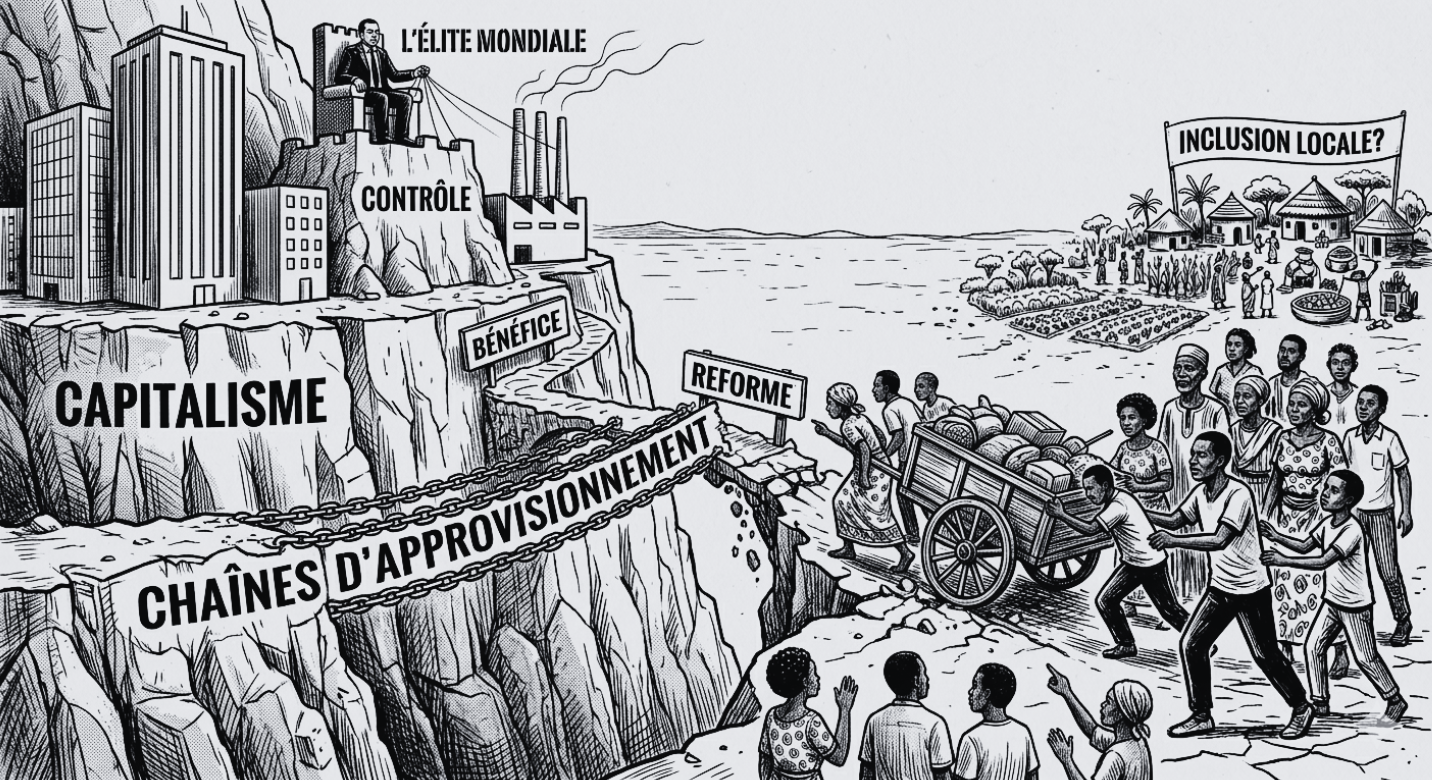
Économie, domination et conscience : pourquoi l’Afrique ne peut pas se contenter d’un paradigme économique « inclusif »
C’est dans ce contexte que le socialisme scientifique apparaît non pas comme une solution immédiate, mais comme un outil d’analyse indispensable. Contrairement aux approches morales ou culturalistes, le socialisme scientifique permet d’analyser les rapports économiques à partir des conditions matérielles, des rapports de classe et des structures de pouvoir (...)
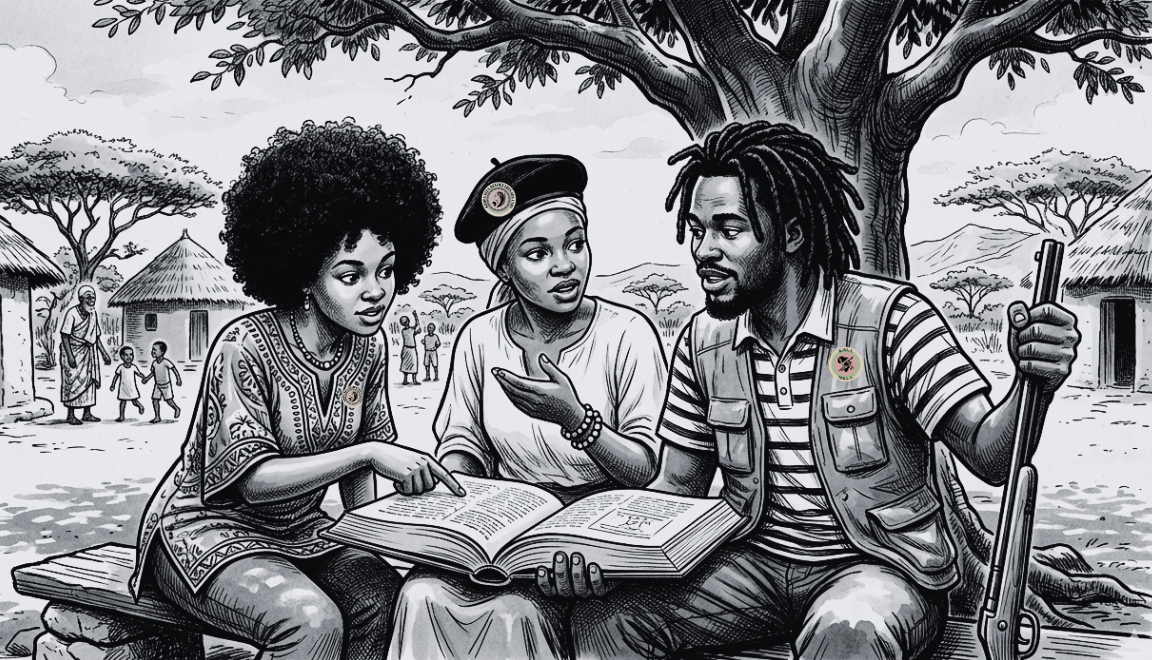
Comprendre L’ennemi, Forger La Conscience Et Reconstruire L’afrique Unie
Le panafricanisme révolutionnaire n’est pas un rêve lointain ; il est une réponse concrète aux contradictions profondes que vit l’Afrique. Comprendre notre histoire, adopter une idéologie scientifique et rejeter le capitalisme impérialiste sont les premières étapes vers la reconquête de notre souveraineté (...)
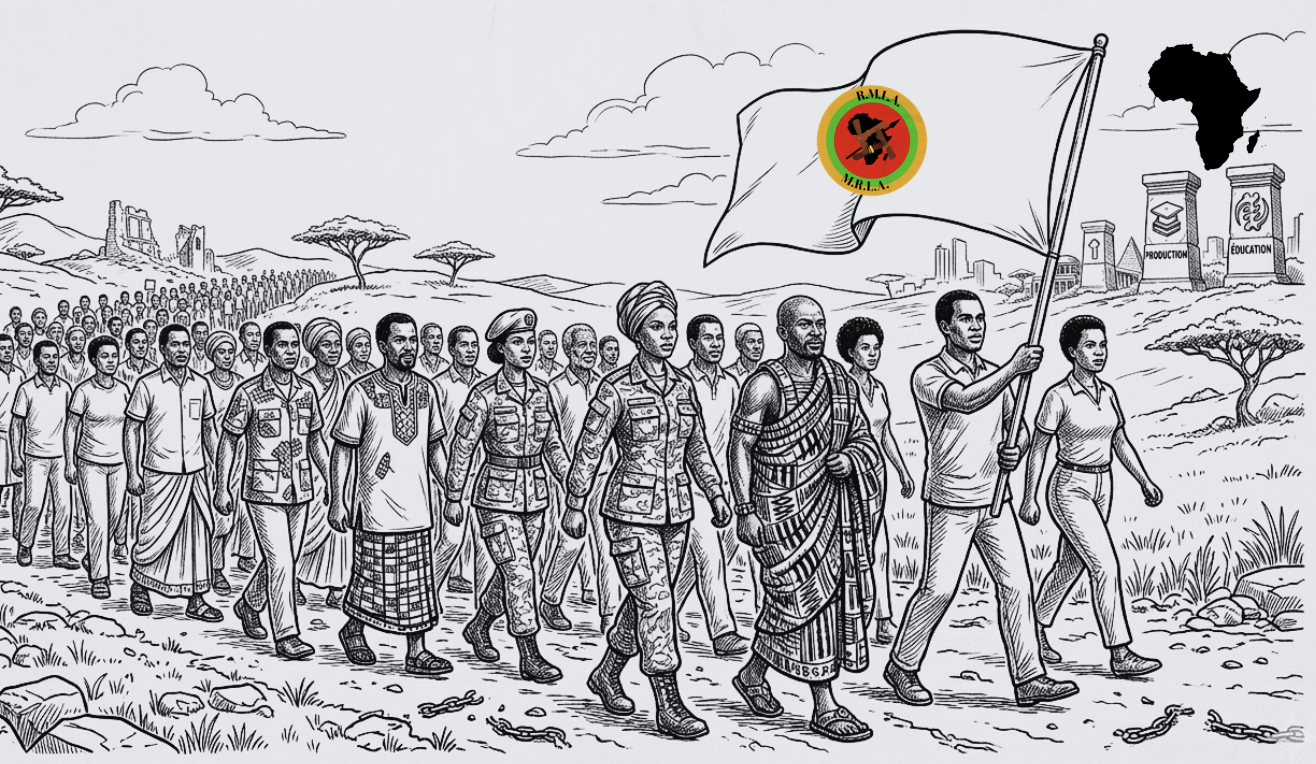
Réactualiser le Combat pour la Libération Totale
La révolution populaire et panafricaine n’est pas un rêve romantique. C’est le projet historique de notre époque pour le continent. C’est la marche inéluctable des peuples d’Afrique vers leur dignité, leur liberté et leur prospérité partagée. Elle demande de la clarté idéologique, une organisation de fer, un courage à toute épreuve et une foi indéfectible dans la capacité des masses à prendre leur destin en main (...)
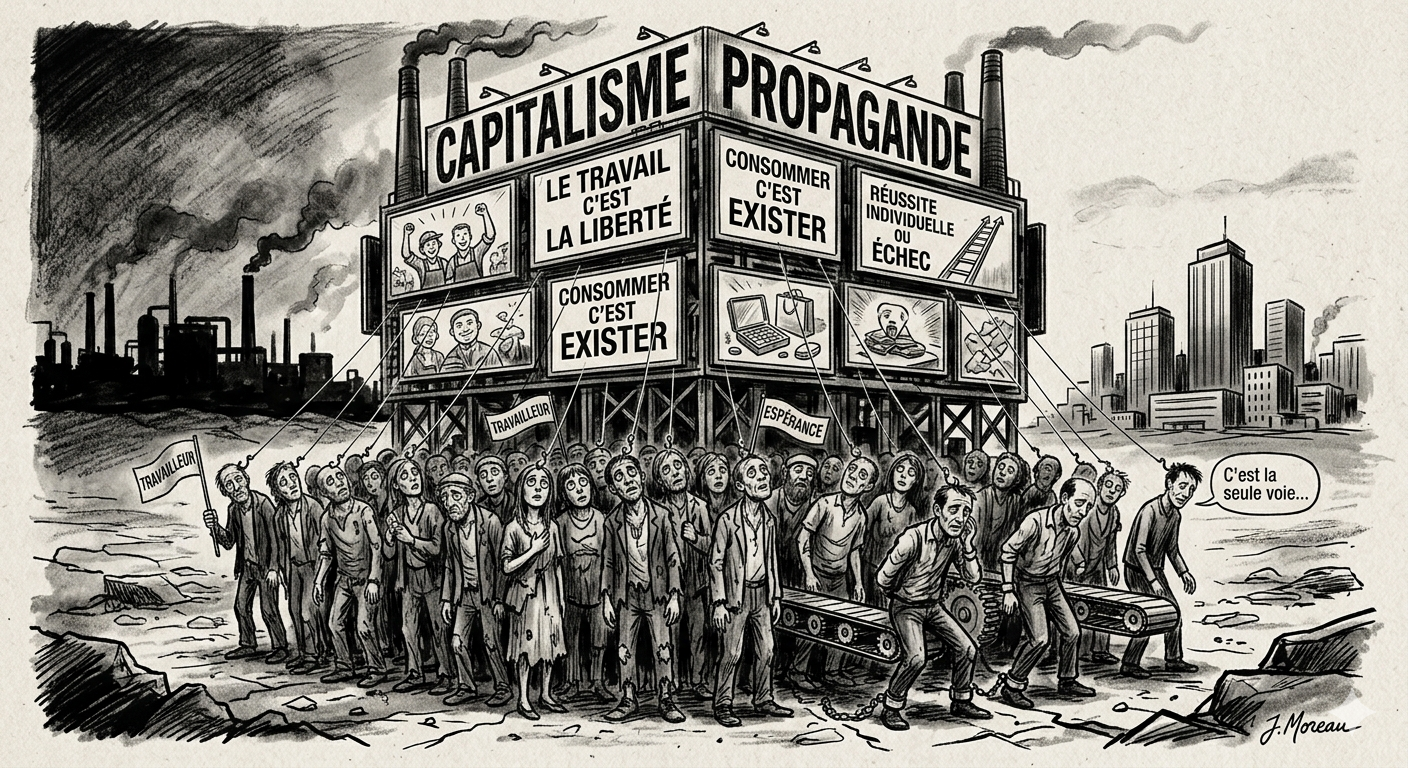
Pourquoi Les Propagandes Capitalistes Sont-Elles Si Efficaces ?
Nous pouvons aussi citer la propagande selon laquelle on peut partir de rien et devenir milliardaire. C’est l’histoire que l’on nous vend de tous les milliardaires génies de la technologie qui sont partis absolument de rien (...)

Peuple Qui Refuse D’être Divisé Est Un Peuple Invincible
Aujourd’hui, la RDC est à la croisée des chemins. Elle peut céder à l’éclatement, ou se relever. Elle peut se résigner à devenir un champ de bataille perpétuel pour des puissances étrangères déguisées en partenaires, ou affirmer sa souveraineté par une refondation complète de son État (...)
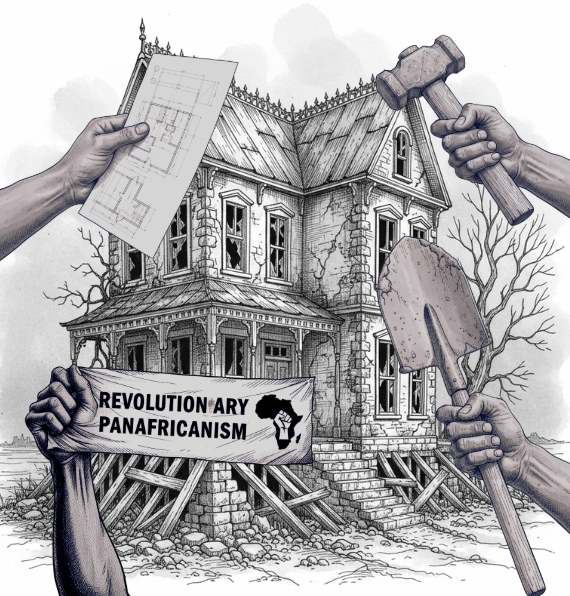
La Révolution : C’Est Une Question De Construire… Et De Détruire Aussi
Maintenant, disons que vous voulez résoudre ce problème de la vieille maison. Quelle est, selon vous, la meilleure approche ? Pensez-vous que changer la couleur de la maison (la repeindre) résoudra le problème ? Pensez-vous qu'ajouter une nouvelle fenêtre, une nouvelle porte, ou même une nouvelle pièce changera le problème ? (...)
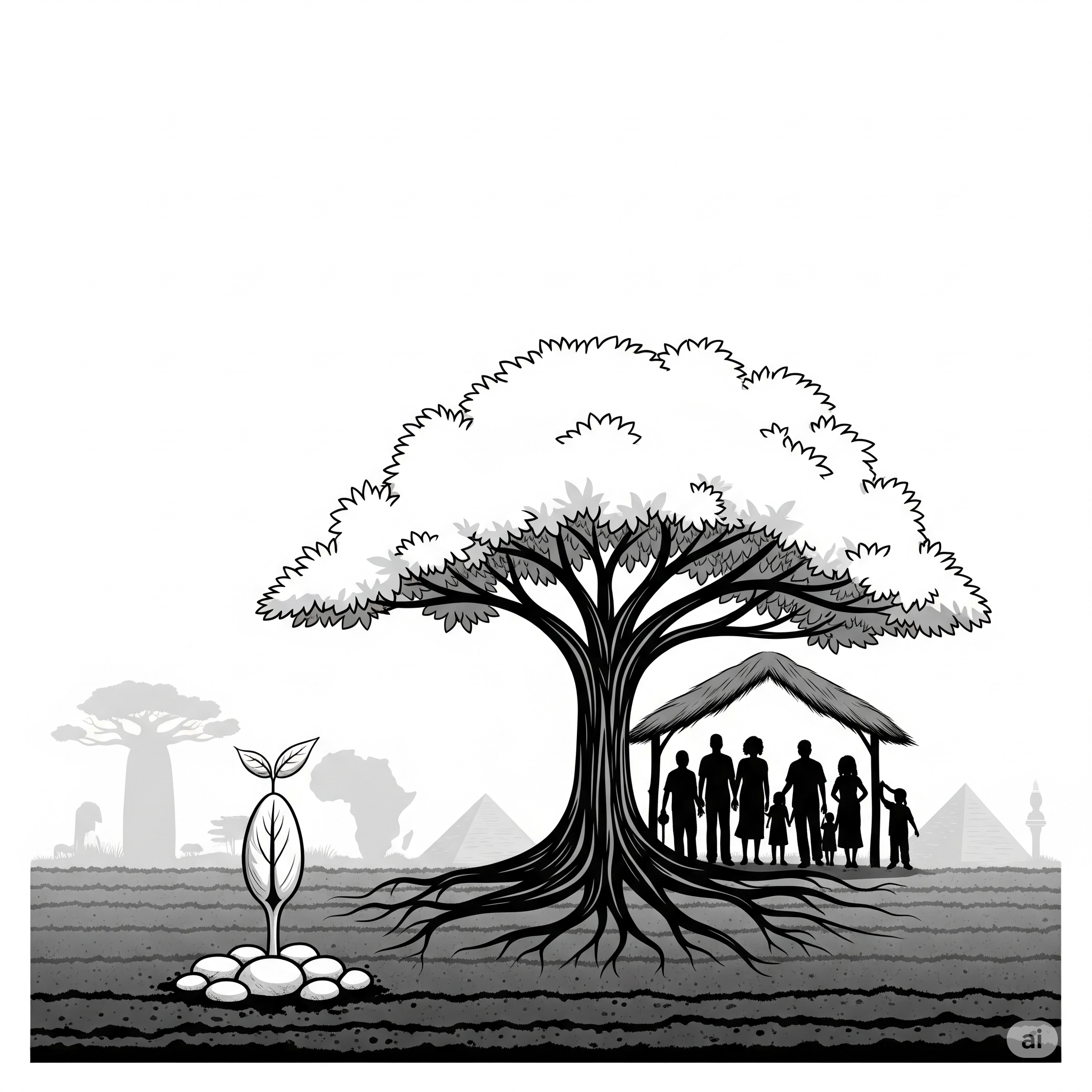
The Transformation of the Self and Collective Organization: A Blueprint for Revolutionary Transformation?
On the path to the Revolution, a deconstruction and rebuilding of systems through daily habits will be crucial. It’s about identifying inefficiencies—schools lacking digital tools, banks excluding the unbanked, roads riddled with potholes—and modeling solutions after the world’s best systems, adapted to African realities (…)
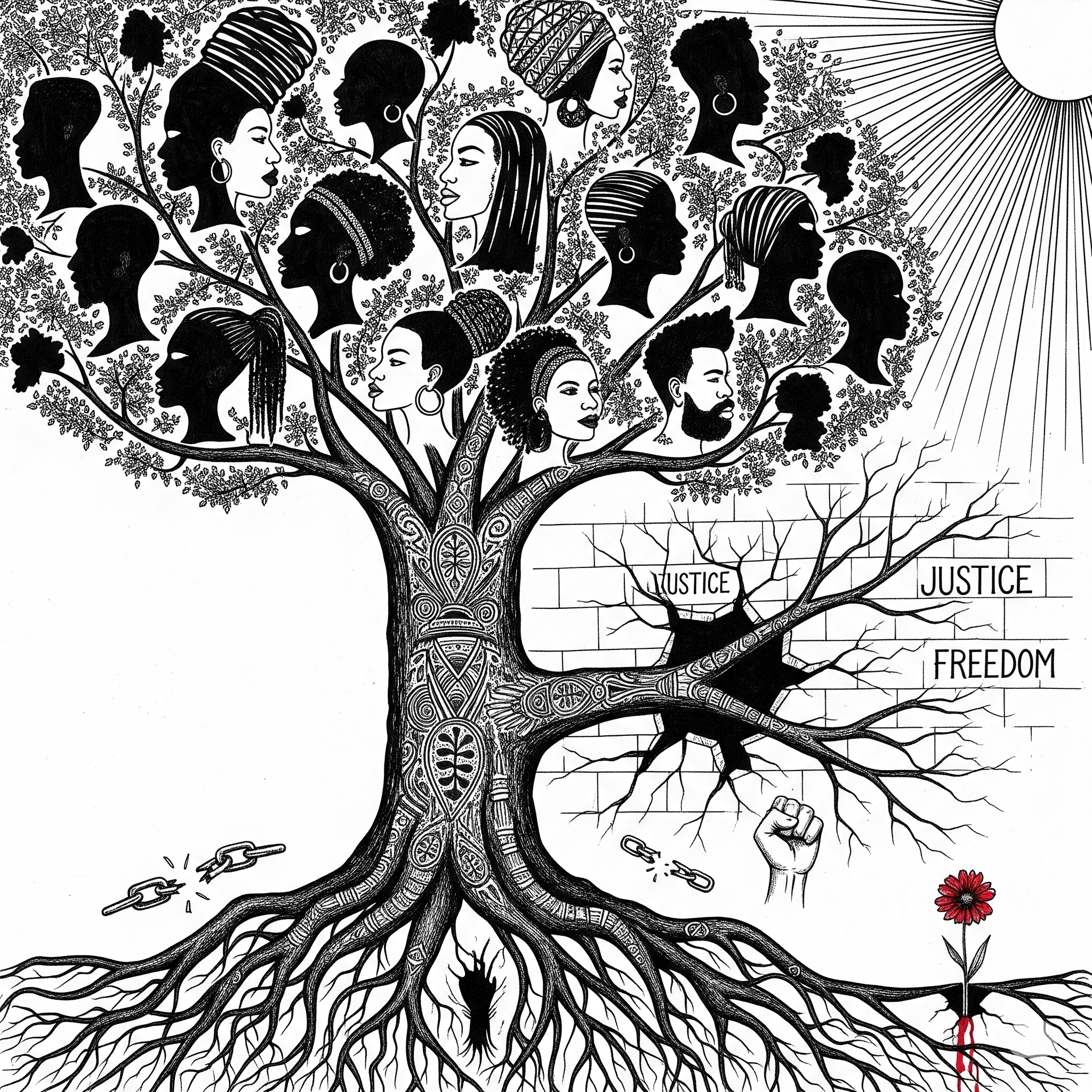
Comment Ma Culture Forge Mon Engagement Pour Le Changement
Effacer notre identité c'est oublier notre culture et oublier sa culture c'est vivre sans histoire. C'est dans ma culture que je puise la force de défendre non seulement mes droits mais aussi de tous ceux qui portent cette richesse sur leur peau, en restant ancrée dans mes racines tout en ouvrant le dialogue avec d'autres (…)
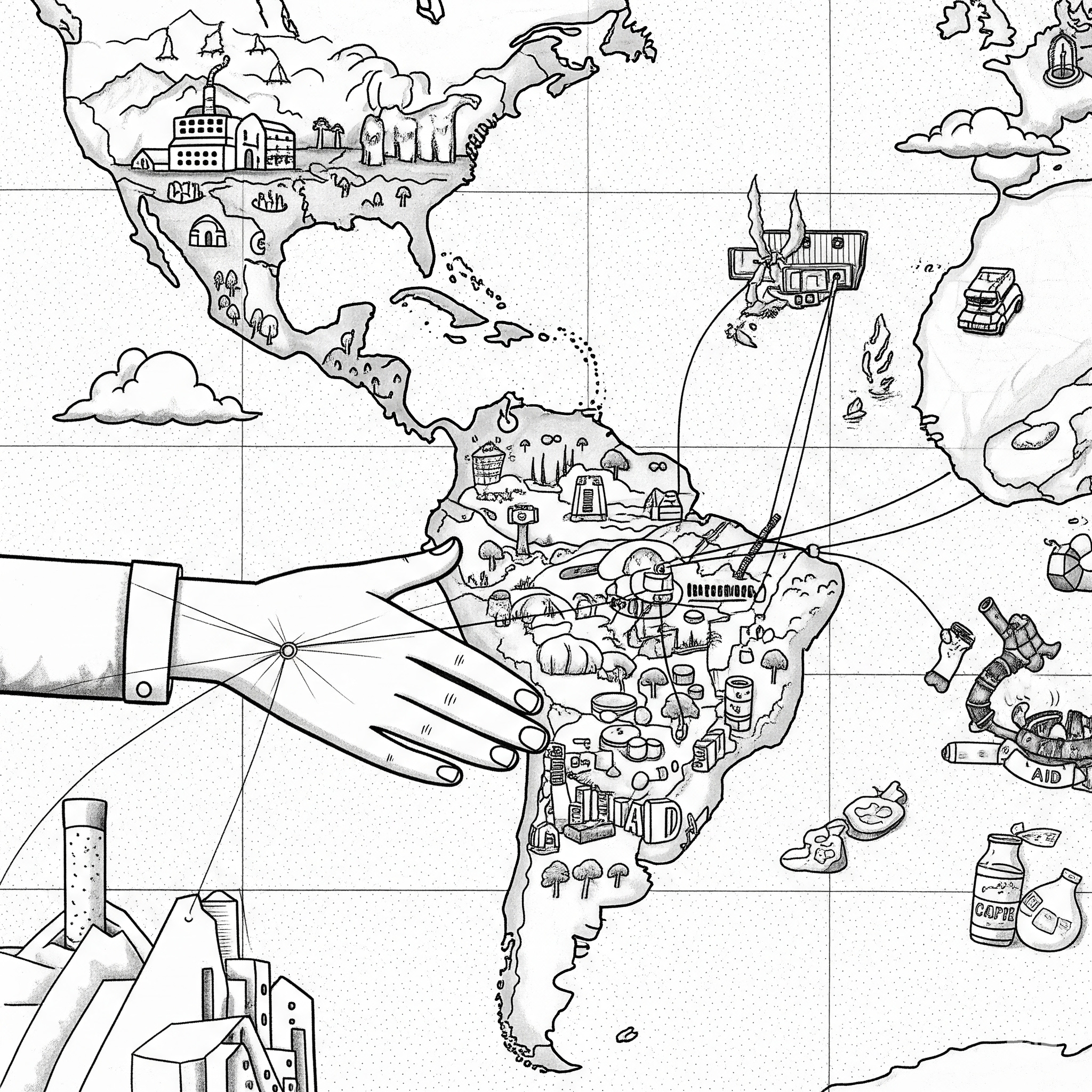
U.S. Soft Power: The War On Liberation
Soft power is not the opposite of direct military force. USAID and NED do not simply “assist development” or “promote democracy.” They fund violent opposition movements, rewrite civil society in the image of the U.S., and undermine popular movements that threaten the neoliberal order (…)

Limites De La Non-violence Et Le Pacifisme Face À Un Ennemi Sans Conscience Ni Moralité?
Si, moralement, se retenir face à une agression est correct, mais en réalité est-il correct, voir même efficace, de se laisser défiguré ou fracturé au nom de la non-violence? Surtout lors que les conditions de depravation auxquelles on resiste ne changent pas. Souvent il est dur de constater que la morale au sens radical se détache vraiment de la réalité. Lorsque la non-violence se transforme en principe, au lieu d’être juste une tactique,(…)
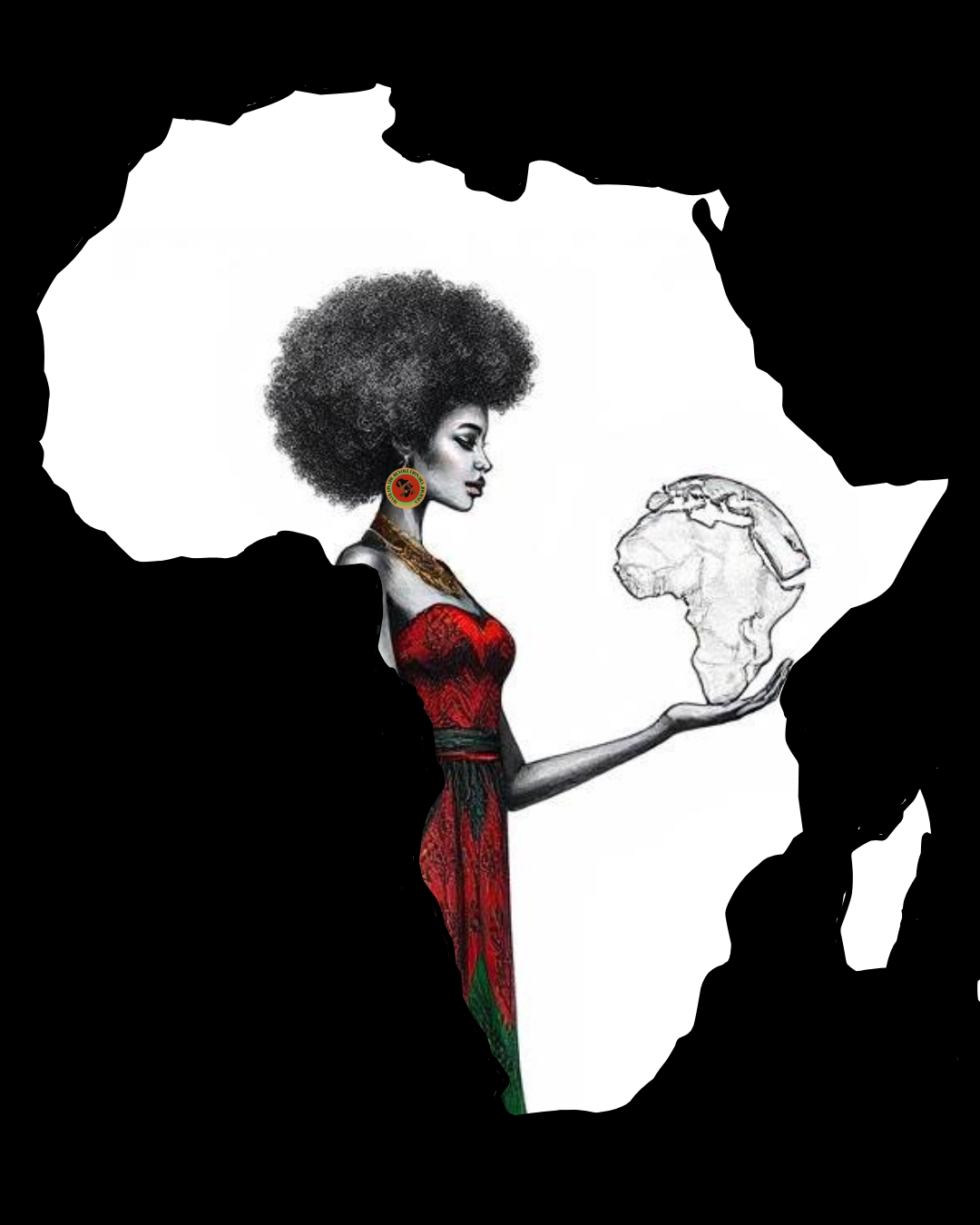
Promouvoir La Culture Traditionnelle Tout En Luttant Contre La Discrimination Envers Les Femmes
Dans le même élan, il est nécessaire que les coutumes cessent d’être utilisées comme prétextes pour justifier des pratiques discriminatoires telles que le mariage précoce, l’excision, l’exclusion des filles de l’héritage ou la non-scolarisation des jeunes filles. Ces pratiques ne doivent plus être perçues comme « culturelles », car elles ne reflètent ni la noblesse ni la richesse de l’Afrique. La culture, pour mériter son nom, doit élever l’être humain, pas l’opprimer. (...)

Révolution Sanitaire : L’Afrique Pour Les Africains, Par Les Africains
Le médecin africain d’aujourd’hui ne doit pas être un simple prescripteur. Il doit :
- Soigner, mais aussi éduquer, militer, dénoncer
- Servir le peuple, et non les intérêts commerciaux
- Être un militant de la santé populaire
C’est un combattant au service de la dignité africaine.

Critique Of The UN Peace-Keeping Mission In Congo During The Congo Crisis (1960-1964)
From this, we can see that the alleged financial motivations of Hammarskjold had some impact on his policies in Congo. Furthermore, the law firms that represented Lamco’s American affiliate: Sullivan & Cromwell, and GottliebSteen & Hamilton, had strong bonds with the CIA director Allen Dulles, and George Ball, an important member of the State Department and with Fowler Hamilton, head of US foreign aid program, in short, people with significant influence on the US foreign. Since the US was the biggest supporter, both financially and militarily, of the UN in Congo, this suggests that the UN was in Congo to serve Lamco’s capitalist interests (…)

The Need For Qualitative Changes
Thus, the revolutionary understands that the UN has undergone several quantitative changes since then, literally speaking (in terms of member countries, a good number of which are neo-colonies), but also in its failures. Indeed, every day that passes without peace in Congo, Sudan, Haiti, and Palestine, a new blow is dealt to the UN system(…)

Le Système Actuel Doit Tomber
Ainsi donc, le révolutionnaire comprend que l'ONU a subi plusieurs changements quantitatifs depuis lors, littéralement parlant (en pays membres, dont un bon nombre de néo-colonies), mais aussi en défaillance. En effet, chaque jour qui passe sans qu'il y ait la paix au Congo, au Soudan, en Haïti et en Palestine, un nouveau coup est porté au système de l'ONU (…)

« Touche pas à ma constitution » : mauvais cri de ralliement ?
Une question se pose alors, pourquoi le régime de Tshisekedi décideraient-ils d’attaquer cet article ainsi que toute la constitution alors que le peuple Africain assiste au retour en force du panafricanisme anti-impérialiste incarné par les révolutions dans l’Alliance des États du Sahel ? Devrait-on penser que le couple impérialisme-néocolonialisme ne fait que prendre une position défensive ? Ce qui est sûr est que les Fatshigans veulent détourner l’attention et l’énergie des Congolais de la lutte contre la kleptocratie toxique qui ronge les institutions de la république. Les Congolais conscients doivent être prudent et ne pas perdre de vue le vrai combat et le vrai ennemi…

Distorted Version of Democracy: Can I Choose My Opponent From The Lesser Of Two Evils?
What ends up happening is that the people have to narrow down their demands and will to fit whatever either party can offer. This is a distorted version of democracy because instead of the parties reflecting the will of the people, the people have to reflect the will of the parties which can lead to some unthinkable mentalities…

White Supremacy, Yet A Factor Against International Solidarity
Nevertheless, paraphrasing Walter Rodney, white people are an enemy of the oppressed people, until proven otherwise (Walter Rodney rightfully applied the same logic to Black or Afro intellectuals/elites). Hence, only on the battlefield, only by sharing the blood under the sounds of machine guns, will white supremacy be destroyed. Solidarity will not be taken for granted or forced upon people as Imperialist US and EU tried to suggested to the people of the world regarding the war between Russia and Ukraine. True solidarity will be built and earn through the revolutionary struggle. Not only between white and non-white, but also among all oppressed people...

The End of the Red Rubber System in the Congo Free State
Despite Morel’s effort to end the red rubber system, the treaty of cession of the Congo to Belgium drafted in 1907 let the “Crown Domain '' - a vast territory in Congo rich in natural resources, including rubber - into the hands of Leopold II. Thus, the end of the end of the red rubber system was not guaranteed. Thus, Morel organized a meeting of the CRA in London on January 21, 1908, where a petition was signed, urging the British government to put in place a plan of action pressuring the Belgian government to elaborate a treaty of cession that would guarantee the respect of the indigenous rights and the cessation of any violation of human rights committed on them…

Why there has not been a revolution in the DR Congo in the 21st Century?
What one can do is, first, to keep educating themselves. As you have read so far, it is difficult to realize what I have just mentioned without researching it because it is taught nowhere. We cannot expect to learn that from school, we have to put an effort into unlearning all the propaganda we have been fed with. Books are a good start because the truth is that we are not alone, a lot of our brothers and sisters and ancestors have realized too the flaws in the system and they have written about it. One needs just to look for them. There is a lot to learn out there from books, even suggestions for way-outs. And again, we should not expect to truly understand revolutionary texts from going school, we need to put an effort into analysing them. After that, we need to educate each other. Even if it may not be the most comfortable thing to do if a brother or sister is still brainwashed, it is our duty as a community to bring them home (Carmichael, 1971, p. 433)…